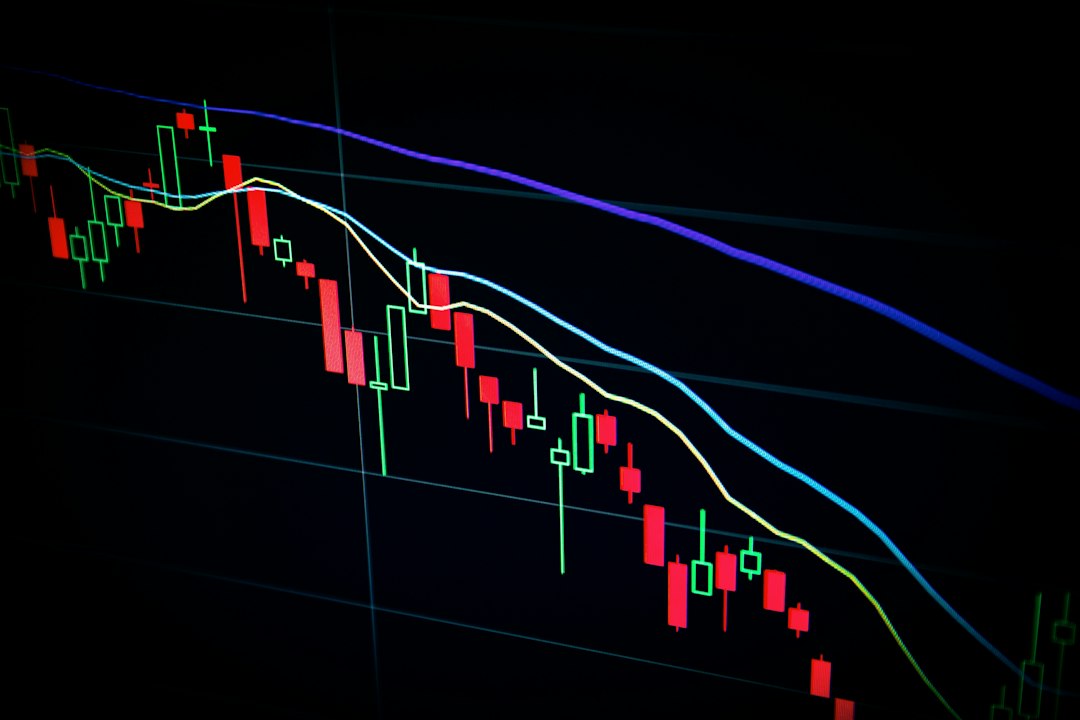
What Is Price Action Trading and Why Use It
Many beginner traders feel overwhelmed by the dozens of indicators available on trading platforms. Price action trading offers a simpler approach by focusing on what the market is actually doing rather than what indicators predict it might do. This method reads raw price movements, candlestick patterns, and support/resistance levels to make trading decisions. In this post, you'll learn what price action trading is, why traders prefer it, and how you can start applying it to your own trades.
Understanding Price Action Trading
Price action trading is a method that analyzes historical and current price movements to predict future market behavior. Instead of relying on lagging indicators like moving averages or oscillators, price action traders read the chart itself. They study candlestick formations, trend lines, and key price levels where buyers and sellers have previously shown interest.
The core belief is simple: price reflects all available information. Everything from economic news to market sentiment is already shown in how price moves. By understanding these movements, traders can identify high-probability setups without cluttering their charts with multiple indicators. This approach works across all timeframes and financial markets, including Forex, stocks, and commodities.
Key Components of Price Action
Price action trading relies on several fundamental elements that traders must recognize and interpret correctly. These components form the foundation of reading market behavior:
- Candlestick patterns: Individual candles and formations like pin bars, engulfing patterns, and inside bars signal potential reversals or continuations.
- Support and resistance: Price levels where the market has historically reversed or paused, showing zones of buying and selling pressure.
- Trend analysis: Identifying whether the market is moving up, down, or sideways by observing higher highs/lows or lower highs/lows.
- Market structure: Understanding swing points, breakouts, and key turning points that define how price flows.
Mastering these components takes practice, but they provide a clear framework for decision-making without relying on complex formulas or delayed signals.
Why Traders Choose Price Action
Price action trading has become popular among both beginners and professionals for several practical reasons. First, it eliminates indicator lag—you're reading price in real-time rather than waiting for mathematical calculations. Second, it works in all market conditions, whether trending or ranging. Third, it simplifies your chart, reducing confusion and helping you focus on what matters most.
| Benefit | Description | Impact on Trading |
|---|---|---|
| No Lag | Uses current price data directly | Faster entry and exit signals |
| Universal Application | Works on any market or timeframe | Flexible across assets |
| Clean Charts | Fewer indicators to monitor | Clearer decision-making |
| Self-Sufficient | Requires only price information | Less dependency on tools |
Additionally, price action teaches you to read market psychology. Each candlestick represents the battle between buyers and sellers. By understanding this dynamic, you develop a deeper connection with how markets actually move, rather than blindly following indicator signals.
Common Price Action Patterns
Certain patterns appear repeatedly across all markets and provide reliable trading setups when confirmed by market context. The pin bar shows rejection at a price level with a long wick and small body, suggesting a potential reversal. The engulfing pattern occurs when a candle completely engulfs the previous one, indicating a shift in momentum. Inside bars represent consolidation and often precede breakouts.
Other important formations include double tops and bottoms, which mark potential trend reversals at key levels, and head and shoulders patterns that signal exhaustion. The key is not just recognizing these patterns but understanding the context—where they form, what the trend is, and whether they align with support or resistance zones. Patterns work best when multiple factors confirm the setup.
Getting Started with Price Action
Beginning with price action doesn't require expensive tools or subscriptions. Start by cleaning your chart—remove all indicators and focus solely on candlesticks, horizontal support/resistance lines, and trend lines. Practice identifying patterns on historical charts before risking real money. Demo trading allows you to test your pattern recognition skills without financial pressure.
Study one or two patterns thoroughly rather than trying to learn everything at once. Document your trades in a journal, noting what pattern you saw, why you entered, and what happened. Over time, you'll develop an intuition for reading price movements. Remember that price action is a skill that improves with experience and disciplined practice.
Price action trading offers a practical, timeless approach to understanding markets by reading what price is actually doing. By focusing on candlestick patterns, support and resistance, and market structure, you can make informed decisions without relying on lagging indicators. Start with a clean chart, practice pattern recognition, and gradually build your skills. The market speaks through price—learning to listen gives you a powerful edge.