The Best Time Frames for Beginner Forex Traders
Choosing the right time frame is one of the most critical decisions a beginner Forex trader must make. Your time frame determines how often you'll trade, how much time you'll spend monitoring charts, and which trading strategies will work best for you. Many new traders jump into short-term scalping without understanding the demands, or they choose daily charts without the patience required. This guide will help you understand the different time frames available and identify which ones align best with your goals, schedule, and experience level as a beginner trader.
Understanding Forex Time Frames
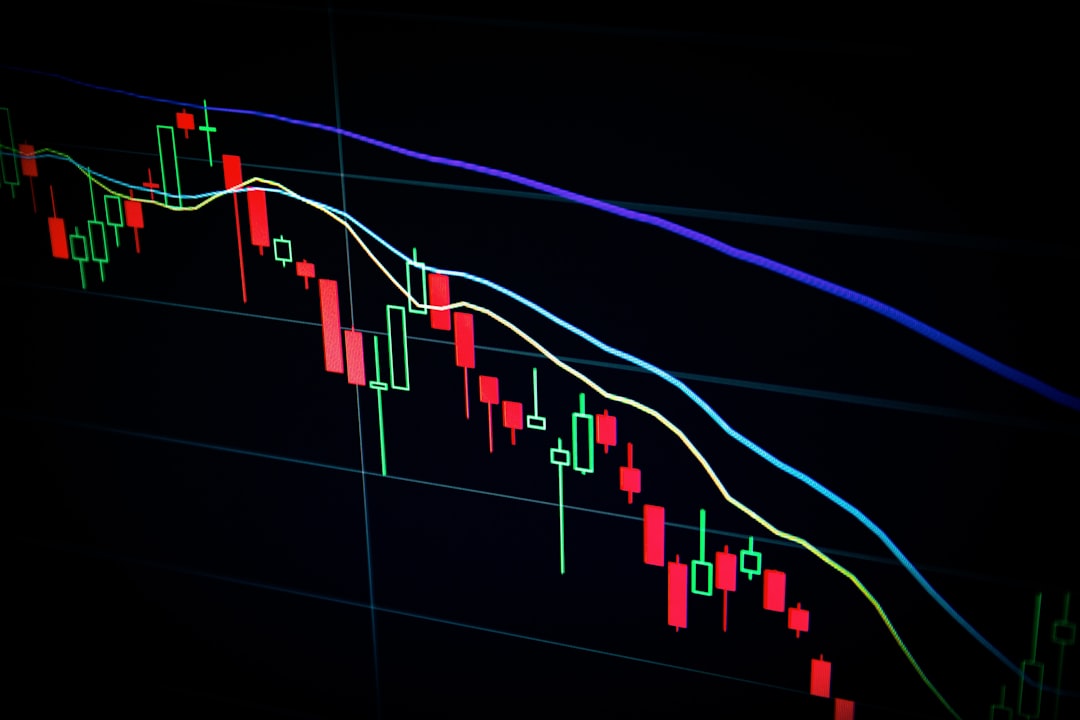
A time frame in Forex refers to the period each candlestick or bar represents on your chart. Common time frames range from one minute (M1) to one month (MN). Each time frame offers a different perspective on price action and market trends. Lower time frames (M1, M5, M15) show rapid price movements and are used for quick trades, while higher time frames (H4, D1, W1) reveal longer-term trends and require more patience.
For beginners, understanding that each time frame has distinct characteristics is essential:
- Short-term charts (M1-M15): Fast-paced, high-frequency trading with more noise
- Medium-term charts (M30-H4): Balanced approach with clearer patterns
- Long-term charts (D1-W1): Slower, trend-following with less daily monitoring
Your choice should match your available time, risk tolerance, and psychological comfort with trade duration.
Recommended Time Frames for Beginners
Most experienced traders recommend that beginners start with daily (D1) or 4-hour (H4) charts. These time frames offer several advantages for those new to trading. First, they filter out much of the random price noise that confuses beginners on lower time frames. Second, they give you more time to analyze markets, make decisions, and manage trades without constant monitoring. Third, they align well with fundamental analysis and major economic news releases.
| Time Frame | Best For | Trading Frequency | Time Commitment |
|---|---|---|---|
| M1-M15 | Scalping | 10-50+ trades/day | Full-time monitoring |
| M30-H1 | Day Trading | 3-10 trades/day | 4-8 hours/day |
| H4 | Swing Trading | 2-5 trades/week | 1-2 hours/day |
| D1-W1 | Position Trading | 1-3 trades/month | 30 min/day |
The H4 and D1 time frames strike an ideal balance. They provide enough trading opportunities while allowing beginners to maintain other commitments. These charts also work well with popular technical indicators like moving averages, RSI, and MACD, which produce more reliable signals on higher time frames.
Why Beginners Should Avoid Lower Time Frames
Many beginners are attracted to scalping on M1 or M5 charts because they see the potential for quick profits. However, lower time frames present significant challenges for new traders. The rapid pace requires split-second decisions, and the high number of trades amplifies the impact of spread costs and commissions. Additionally, lower time frames contain more market noise—random price fluctuations that don't reflect true market direction.
Common problems with lower time frames include:
- Increased emotional stress from constant monitoring
- Higher transaction costs eating into profits
- More false signals from technical indicators
- Difficulty managing multiple positions simultaneously
- Greater impact from broker spreads and slippage
Until you've developed solid risk management habits and emotional discipline on higher time frames, lower time frames will likely result in losses and frustration.
The Multiple Time Frame Analysis Approach
As you gain experience, you'll want to incorporate multiple time frame analysis into your trading routine. This technique involves checking higher time frames to identify the overall trend, then dropping down to lower time frames for precise entry and exit points. For example, you might use the daily chart to determine trend direction, the 4-hour chart to spot support and resistance levels, and the 1-hour chart to time your entry.
A common beginner framework is the 3-tier approach: Check a time frame three times higher than your trading time frame for trend direction, use your main trading time frame for signals, and optionally use a lower time frame for entry refinement. If you trade on H4 charts, check D1 for trend, trade signals on H4, and fine-tune entries on H1. This method helps you stay aligned with the bigger picture while improving trade timing.
Matching Time Frames to Your Lifestyle
Your ideal time frame depends heavily on your daily schedule and personal circumstances. If you work full-time and can only check charts during lunch breaks and evenings, daily charts are your best option. They allow you to analyze markets once per day and place trades that can run for days or weeks. For part-time traders with more flexibility, 4-hour charts offer a middle ground with 6 candlesticks per day, meaning you can check charts morning, midday, afternoon, and evening.
Students or full-time traders might explore 1-hour or 30-minute charts, but should still master higher time frames first. Remember that time frame consistency is crucial—don't jump between M15 and D1 randomly. Stick with one primary time frame for at least three months while you develop your skills. This consistency helps you recognize patterns, understand typical price movements, and build confidence in your analysis.
Choosing the right time frame sets the foundation for your trading success. Start with daily or 4-hour charts to learn market behavior without overwhelming pressure. As you build experience, confidence, and profitable results, you can experiment with other time frames. Remember that successful trading isn't about the number of trades you make, but the quality of your decisions and consistency of your approach. Focus on mastering one time frame before expanding your toolkit.