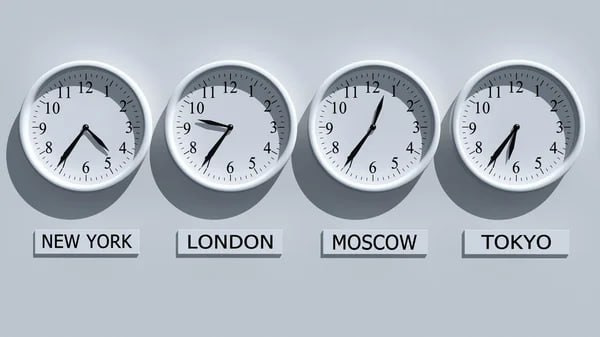
Forex Trading in Different Time Zones: Maximizing Opportunities
Introduction to Forex Trading Across Time Zones
Forex trading, also known as foreign exchange trading, operates on a global scale, transcending time zones. This 24-hour market offers unique opportunities and challenges. Traders must understand the dynamics of different time zones to effectively capitalize on currency fluctuations. The ability to trade around the clock provides continuous opportunities for profit, but also demands a strategic approach to manage risks and leverage the best trading hours.
Understanding the Global Forex Market
- The 24-Hour Forex Cycle: The Forex market operates 24 hours a day, five days a week, with four major trading sessions based in Sydney, Tokyo, London, and New York. These markets overlap at certain times, offering periods of heightened liquidity and volatility.
- Time Zone Overlaps: The most significant overlaps occur between the London and New York sessions, and the Sydney and Tokyo sessions. These overlaps often result in increased trading activity and greater opportunities for traders.
- Trading Volume by Session: Each trading session has its own characteristics. The London session typically sees the highest trading volume, making it a prime time for trading major currency pairs. The Tokyo session is known for Asian currency pairs, while the New York session is key for North American currencies.
Maximizing Opportunities in Different Time Zones
- Adapting Strategies: Traders need to adapt their strategies based on the time zone they are trading in. For instance, scalping strategies may be more effective during the London-New York overlap, while long-term strategies might be better suited for quieter times.
- Understanding Market Behavior: Different time zones exhibit different market behaviors. The Asian markets might focus more on regional events, while European and American markets are influenced by a broader range of factors.
- Risk Management: Trading across different time zones requires diligent risk management. Traders must be aware of news events and economic releases happening in various parts of the world that can impact currency values.
- Leveraging Technology: Utilizing trading tools and platforms that offer real-time data and alerts can help traders stay on top of market changes across different time zones.
Trading Hours and Strategies: A Comparative Analysis

Header: Comparative Analysis of Forex Trading Hours and Strategies
| Time Zone | Key Characteristics | Recommended Strategies |
|---|---|---|
| Sydney | Early market movers, focus on Australasian currencies | Position trading, long-term trends |
| Tokyo | Dominated by Asian currencies, lower liquidity than London and New York | Range trading, Asian market news |
| London | Highest liquidity, overlap with New York session | Scalping, high-frequency trading |
| New York | Overlap with London, focus on North American currencies | Day trading, news-based strategies |
Conclusion
Trading in the Forex market across different time zones offers a plethora of opportunities for traders. By understanding the unique characteristics of each trading session and adapting strategies accordingly, traders can maximize their chances for success. Effective risk management and the use of advanced trading tools are essential in navigating this dynamic and continuous market. With these strategies in place, traders can exploit the 24-hour nature of Forex trading to their advantage.