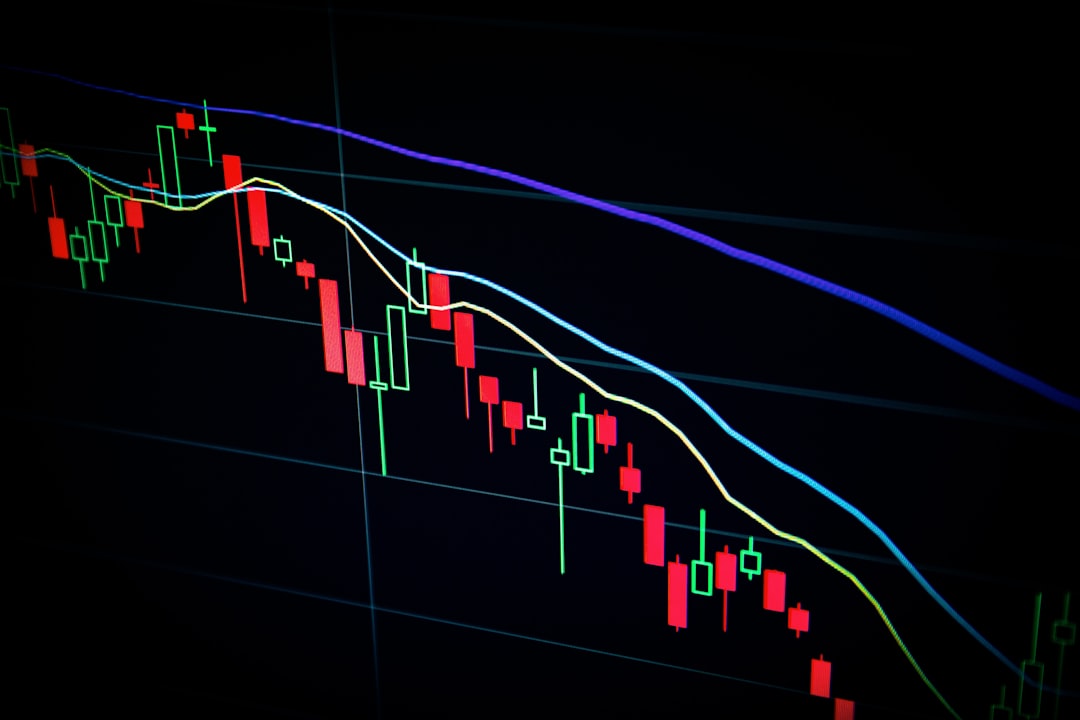
What Is Forex Trading and How Does the Market Work?
Forex trading can seem complex for beginners, but understanding the basics opens doors to the world's largest financial market. With over $7.5 trillion traded daily, the foreign exchange market operates 24 hours a day, five days a week, connecting traders, banks, and institutions globally. This guide explains what Forex trading is, how currency pairs work, and the fundamental mechanics that drive this dynamic marketplace.
Understanding the Forex Market
Forex, short for foreign exchange, is the global marketplace where currencies are bought and sold. Unlike stock markets with centralized exchanges, Forex operates through a decentralized network of banks, brokers, and electronic trading platforms. The market exists because countries, businesses, and individuals need to exchange currencies for international trade, travel, and investment purposes.
The Forex market operates in three main trading sessions: Asian (Tokyo), European (London), and North American (New York). These overlapping sessions create continuous trading opportunities throughout the business week. The highest trading volume occurs during session overlaps, particularly when London and New York sessions coincide, offering increased liquidity and tighter spreads for traders.
How Currency Pairs Work
In Forex trading, currencies are always traded in pairs, such as EUR/USD or GBP/JPY. The first currency is called the base currency, and the second is the quote currency. The exchange rate tells you how much of the quote currency you need to buy one unit of the base currency. For example, if EUR/USD is 1.0850, one euro costs 1.0850 US dollars.
Currency pairs fall into three categories:
- Major pairs: Include the US dollar and another major currency (EUR/USD, GBP/USD, USD/JPY)
- Minor pairs: Major currencies paired together without the US dollar (EUR/GBP, GBP/JPY)
- Exotic pairs: A major currency paired with an emerging market currency (USD/TRY, EUR/ZAR)
Major pairs offer the highest liquidity, tightest spreads, and most predictable price movements, making them ideal for beginners.
Key Forex Trading Concepts
| Term | Definition | Impact on Trading |
|---|---|---|
| Pip | Smallest price movement (0.0001) | Measures profit/loss |
| Spread | Difference between buy and sell price | Your trading cost |
| Leverage | Borrowed capital to increase position size | Amplifies gains and losses |
| Lot | Standardized trading unit (100,000 units) | Determines position size |
Understanding these fundamental concepts is essential before placing your first trade. The pip (percentage in point) represents the smallest price increment in most currency pairs. A standard lot equals 100,000 units of the base currency, though mini lots (10,000) and micro lots (1,000) allow smaller position sizes for beginners with limited capital.
What Moves Currency Prices
Currency values fluctuate based on supply and demand, influenced by economic data, geopolitical events, and central bank policies. Interest rate decisions from central banks like the Federal Reserve or European Central Bank significantly impact currency strength. Higher interest rates typically attract foreign investment, strengthening that nation's currency.
Other major price drivers include:
- Economic indicators (GDP growth, employment data, inflation rates)
- Political stability and government policies
- Trade balances and current account deficits
- Market sentiment and risk appetite
Successful traders monitor these factors through economic calendars and news sources to anticipate potential market movements and manage risk effectively.
How Traders Make Money in Forex
Forex traders profit by correctly predicting currency pair movements. If you believe the euro will strengthen against the dollar, you buy EUR/USD. If your prediction is correct and the pair rises, you sell at a higher price for a profit. Conversely, if you expect the euro to weaken, you sell EUR/USD, profiting when the pair falls.
The ability to profit from both rising and falling markets distinguishes Forex from traditional investing. However, leverage—while allowing larger positions with smaller capital—also magnifies losses. Risk management through stop-loss orders and proper position sizing is crucial for long-term success. Beginners should start with a demo account to practice strategies without risking real money before transitioning to live trading.
Forex trading offers exciting opportunities for those willing to learn the fundamentals and develop disciplined trading habits. By understanding how currency pairs work, what drives price movements, and the key terminology, you're taking the first steps toward becoming a knowledgeable trader. Start with education, practice on demo accounts, and never risk more than you can afford to lose as you build your trading skills.