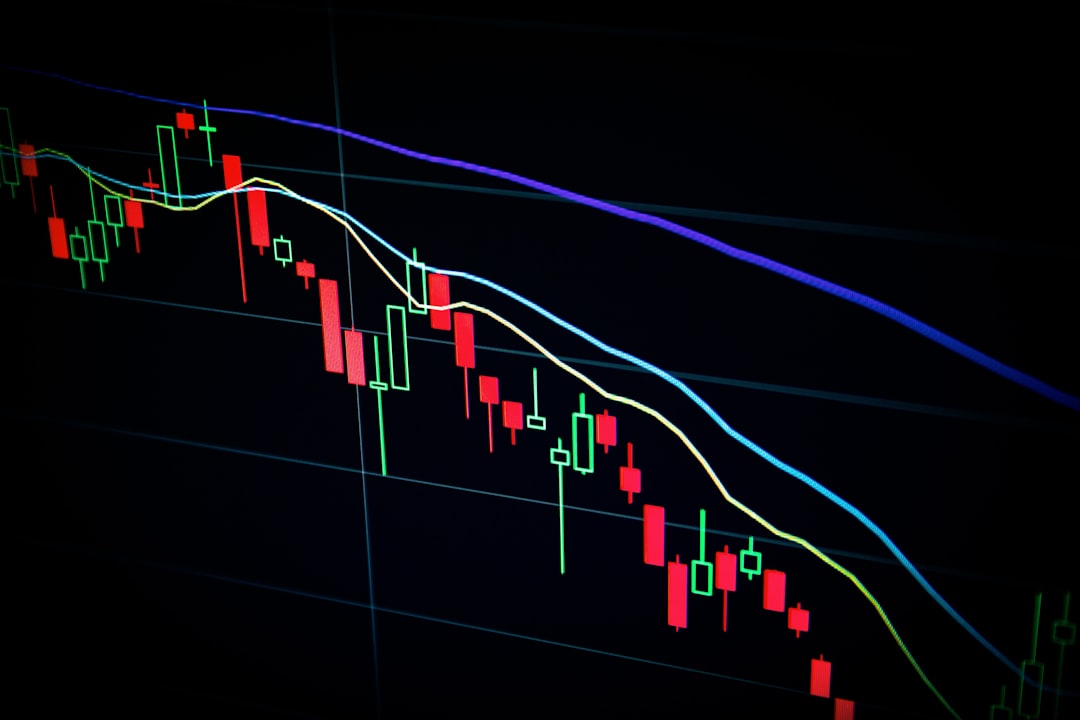
What Is Risk Management and Why Traders Need It
Many new Forex traders focus entirely on finding the perfect entry point or chasing big profits, but they overlook the most critical skill that separates successful traders from those who lose their accounts: risk management. Without proper risk management, even the best trading strategy will eventually fail. In this post, you'll learn what risk management is, why it's essential for every trader, and how to apply basic risk management rules to protect your trading capital and survive in the markets long-term.
What Is Risk Management in Forex Trading?
Risk management is the process of identifying, assessing, and controlling potential losses in your trading activities. It involves setting rules and limits to protect your capital from large drawdowns and unexpected market moves. Risk management is not about avoiding risk entirely—trading inherently involves risk—but about managing it intelligently so that no single trade or series of trades can wipe out your account.
Key components of risk management include:
- Determining how much capital to risk per trade
- Setting stop-loss orders to limit losses
- Calculating position sizes based on account balance
- Diversifying trading strategies and currency pairs
- Maintaining emotional discipline during losing streaks
Effective risk management ensures you stay in the game long enough to benefit from your winning trades while minimizing the damage from losing ones.
Why Every Trader Needs Risk Management
The Forex market is unpredictable, and even experienced traders cannot win every trade. Without risk management, a few bad trades can destroy months of gains or eliminate your entire trading account. Risk management protects your capital, which is your most valuable trading asset. If you lose your capital, you lose the ability to trade and profit.
Statistics show that most retail traders fail not because they lack a profitable strategy, but because they risk too much per trade and blow up their accounts before their strategy has time to work. Risk management also helps you control emotions—when you know your maximum loss is limited, you trade with less fear and make more rational decisions. It transforms trading from gambling into a disciplined business with predictable outcomes over time.
| Risk Management Element | Purpose | Typical Guideline |
|---|---|---|
| Risk Per Trade | Limit single-trade loss | 1-2% of account balance |
| Stop-Loss Order | Auto-exit losing trades | Set before entering trade |
| Position Sizing | Control exposure per trade | Based on stop-loss distance |
| Risk-Reward Ratio | Ensure profit potential exceeds risk | Minimum 1:2 or 1:3 |
Core Risk Management Rules for Beginners
Implementing risk management doesn't require complex calculations. Start with these fundamental rules:
- Never risk more than 1-2% of your account per trade: If you have a $1,000 account, risk only $10-$20 per trade. This allows you to survive 50+ losing trades in a row.
- Always use a stop-loss: Set a stop-loss order on every trade to automatically close your position if the market moves against you.
- Calculate position size properly: Adjust your lot size based on your stop-loss distance and account risk percentage.
- Aim for positive risk-reward ratios: Only take trades where potential profit is at least twice your potential loss (1:2 ratio minimum).
- Avoid revenge trading: After a loss, don't immediately jump into another trade to "win it back." Stick to your plan.
These rules may seem restrictive, but they create the foundation for long-term profitability and psychological stability.
How Risk Management Improves Your Trading Psychology
Trading psychology and risk management are deeply connected. When you risk too much per trade, every market movement creates intense emotional responses—fear, greed, panic, and euphoria. These emotions lead to impulsive decisions, overtrading, and abandoning your strategy at the worst possible times.
By limiting your risk per trade to 1-2% of your account, you reduce the emotional impact of individual trades. A single loss becomes a minor setback rather than a disaster. This emotional distance allows you to follow your trading plan consistently, accept losses as part of the process, and maintain confidence during inevitable losing streaks. Good risk management creates mental space for better decision-making.
Common Risk Management Mistakes to Avoid
Even traders who understand risk management often make these critical errors:
- Moving stop-losses further away: Once set, never move your stop-loss to give a losing trade "more room." This violates your risk plan.
- Risking more after wins: After profitable trades, some traders get overconfident and increase their risk percentage, leading to large losses.
- Ignoring correlation: Opening multiple positions on correlated pairs (like EUR/USD and GBP/USD) multiplies your actual risk.
- Trading without a plan: Risk management only works when you follow a consistent trading plan with clear rules.
Avoiding these mistakes requires discipline and self-awareness, but the payoff is a sustainable trading career with controlled drawdowns and steady growth.
Conclusion: Risk management is the cornerstone of successful Forex trading. By controlling how much you risk per trade, using stop-losses, and maintaining emotional discipline, you protect your capital and give your strategy time to prove profitable. Start implementing these risk management principles today—your future trading account will thank you. Remember, preservation of capital always comes before profit.